How Mold Grows After Water Damage and Why Speed Matters
How Mold Starts After Water Damage
Water damage can happen fast, but mold growth can begin even faster. In many homes, mold can start forming within 24 to 48 hours after water exposure.
When moisture enters drywall, flooring, insulation, or wood framing, it creates the ideal environment for mold spores already present in the air. These spores settle on damp materials and begin to multiply quickly.
Common causes of water damage that lead to mold include:
• Burst or leaking pipes
• Roof leaks after storms
• Basement flooding
• Appliance failures like water heaters or washing machines
• Ice dam leaks during winter
• Sewer backups or plumbing issues
Once moisture becomes trapped in building materials, mold can spread behind walls, under flooring, and inside HVAC systems.
That is why quick water damage restoration is critical. The longer the materials stay wet, the more opportunity mold has to grow.
Why Franklin County Homes Are Especially Vulnerable
Franklin County's climate creates several conditions that make mold growth more likely after water damage.
The region experiences humid summers, frequent storms, and seasonal temperature swings. These factors contribute to excess indoor moisture.
Climate-related factors that increase mold risk include:
• High humidity levels during Ohio summers
• Heavy rainfall and thunderstorms
• Snow melt and ice dam formation in winter
• Flooding in low-lying areas and older neighborhoods
• Humid basements are common in Midwest homes
Many homes in the Columbus and Franklin County area also have basements, which tend to trap moisture and develop mold quickly after flooding or leaks.
Without professional mold remediation, these damp spaces can become long-term mold problems.
Warning Signs Mold Is Growing After Water Damage
Mold often grows in hidden areas, but there are several warning signs homeowners should watch for after a leak or flood.
Look for these indicators:
• Musty or earthy odors
• Visible black, green, or white spots on walls or ceilings
• Peeling paint or bubbling drywall
• Warped floors or baseboards
• Persistent dampness or humidity
• Increased allergy symptoms in the home
Even if mold is not visible, it may still be growing behind walls or under flooring where moisture remains trapped.
Professional restoration services use moisture meters and thermal imaging to detect hidden water damage that can lead to mold.
Health and Structural Risks of Mold Growth
Mold is more than just a cosmetic issue. It can create serious health and structural problems if not addressed quickly.
Health concerns may include:
• Allergies and respiratory irritation
• Worsened asthma symptoms
• Sinus congestion or headaches
• Skin irritation
Children, elderly individuals, and people with respiratory conditions are especially sensitive to mold exposure.
Mold can also damage your home over time by breaking down materials such as:
• Drywall
• Wood framing
• Subflooring
• Insulation
• Ceiling materials
What begins as a small leak can turn into major repairs if mold spreads throughout structural materials.
Why Speed Matters for Mold Remediation
Timing is one of the most important factors in preventing mold growth after water damage.
Within the first 24 hours:
• Moisture begins soaking into porous materials
Within 24 to 48 hours:
• Mold spores can begin forming colonies
Within several days:
• Mold spreads deeper into walls and flooring
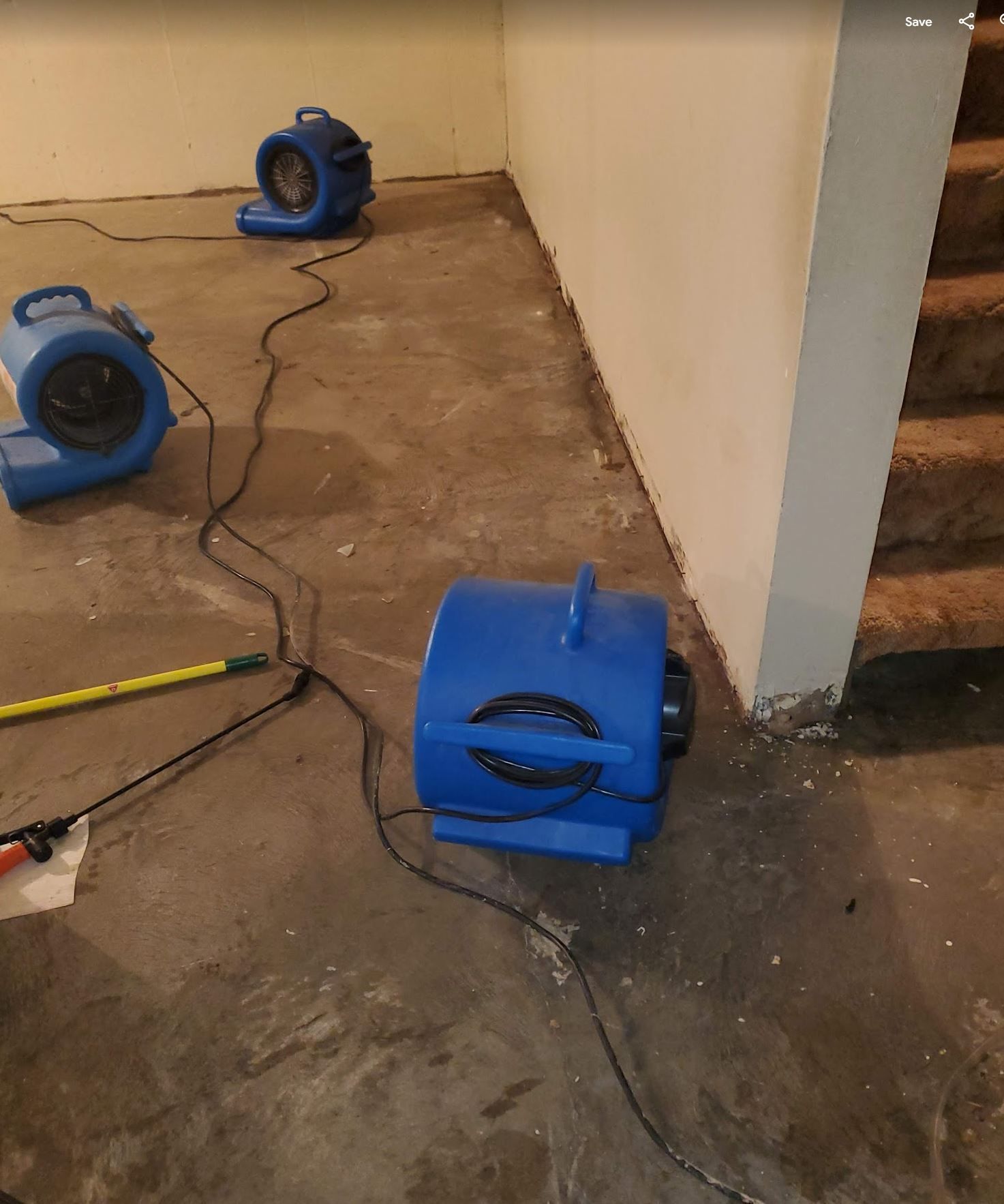
Professional water damage restoration helps stop this process by:
• Removing standing water quickly
• Drying affected areas with commercial equipment
• Dehumidifying the home
• Identifying hidden moisture pockets
• Sanitizing contaminated areas
Fast response often means the difference between minor cleanup and major mold remediation.
What Homeowners Should Do After Water Damage
If your home experiences water damage, taking immediate action can reduce mold risk and restoration costs.
Steps homeowners should take include:
• Shut off the water source if possible
• Move furniture and belongings away from wet areas
• Avoid running HVAC systems if contamination is suspected
• Document damage for insurance purposes
• Call a professional restoration company immediately
DIY drying methods often miss hidden moisture behind walls or under flooring. Professional restoration services have the equipment and training needed to fully dry the structure.
When to Call a Mold Remediation Professional
You should contact a mold remediation company if:
• Water damage was not dried within 24 to 48 hours
• You smell musty odors in your home
• Visible mold appears on walls, ceilings, or flooring
• Flooding affected large areas or basements
• You suspect mold behind drywall or insulation
An experienced remediation team will inspect the property, contain affected areas, remove contaminated materials when necessary, and restore safe air quality inside the home.
Get Fast Mold Remediation in Franklin County
When water damage occurs, every hour matters. Fast action protects your home, prevents mold growth, and keeps repair costs under control.
Quick 2 Dry LLC provides professional mold remediation, water damage restoration, and full restoration services for homeowners throughout Franklin County and the Columbus area.
If you suspect mold after water damage, call Quick 2 Dry LLC today at (740) 729-8491 to schedule an inspection or request a quote.